
CNN reports US defense secretary will meet Netanyahu and Katz to ease concerns over possible F-35 sale to Turkey, as CENTCOM says it struck Iran over attacks on three commercial vessels in the Strait of Hormuz
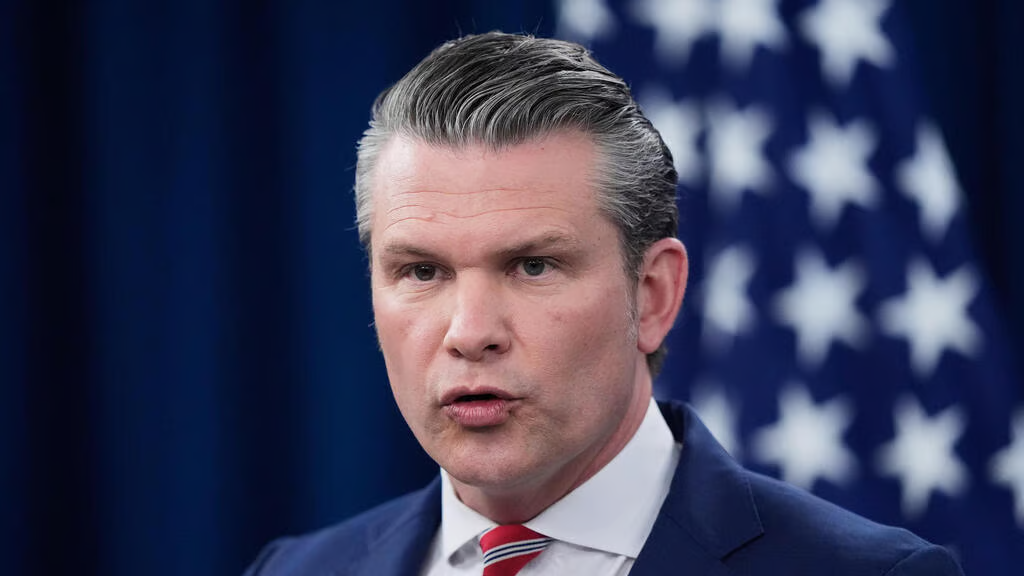
U.S. Defense Secretary Pete Hegseth is expected to arrive in Israel Wednesday for his first visit to the country since taking office, CNN reported, as Washington and Jerusalem seek to coordinate amid a sharp escalation with Iran after U.S. forces launched strikes in response to attacks on commercial vessels in the Strait of Hormuz.
Three sources familiar with the matter told CNN that Hegseth is expected to meet with Prime Minister Benjamin Netanyahu and Defense Minister Israel Katz. One of the objectives of the visit, according to the report, is to allay Israeli concerns over the possibility that the United States will sell advanced F-35 fighter jets to Turkey. Hegseth is currently attending the NATO summit in Turkey alongside U.S. President Donald Trump.
(Photo: AP Photo/Manuel Balce Ceneta)
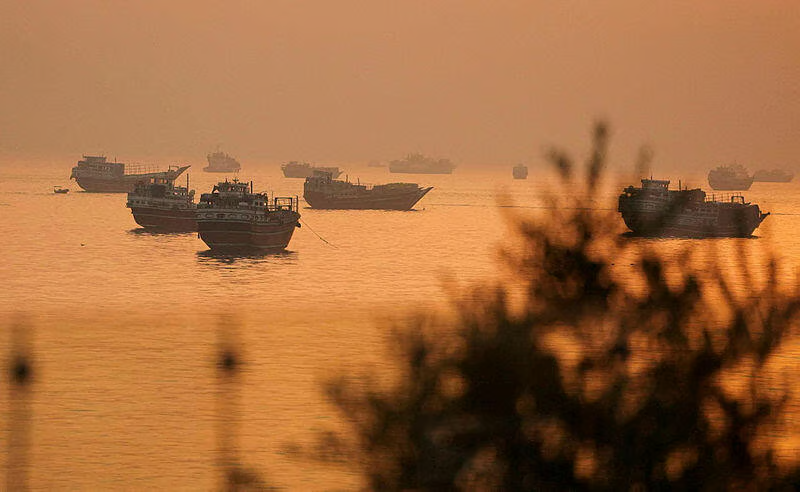
The visit comes as the U.S. military launched a series of strikes against Iran early Wednesday, saying the attacks were retaliation for Iranian strikes on three commercial vessels transiting the Strait of Hormuz. The move marks a sharp escalation that threatens to unravel a fragile ceasefire reached only days earlier.
In a statement, U.S. Central Command said its forces had begun “a series of powerful strikes” intended to impose “heavy costs” on Iran for targeting commercial shipping in an international waterway.
“The U.S. strikes are in response to Iranian attacks on three commercial vessels that were transiting the Strait of Hormuz,” CENTCOM said. “Iran’s demonstrated aggression was unwarranted, dangerous and a clear violation of the ceasefire.”
The military did not immediately identify all the targets or provide details on the full scale of the operation. Axios reported that the strikes targeted Iranian military sites near the Strait of Hormuz, including air-defense systems, coastal surveillance equipment, missile launch sites and port infrastructure. The Guardian also reported that the U.S. strikes followed attacks on three commercial vessels in the strait, including a Qatari LNG tanker.
(Photo: REUTERS/Stringer)
Earlier Tuesday, Washington revoked a general license that had temporarily allowed sales of Iranian oil, reimposing sanctions after accusing Tehran of attacking commercial shipping in the strategic waterway. U.S. officials said Iran’s actions were “wholly unacceptable” and warned they would carry consequences.
Iran denied wrongdoing and condemned the sanctions decision. In a statement, the Foreign Ministry accused Washington of violating the Islamabad memorandum that ended the recent war between the two countries and said the United States would bear responsibility for the consequences.
The ministry said Iran “will take any measure it deems necessary” to protect its national interests and national security.
Hours after the U.S. strikes were announced, Iranian state media reported multiple explosions in southern Iran. Press TV said blasts were heard in the port city of Sirik, while other Iranian media reported explosions on Qeshm Island and in Bandar Abbas. State media later said seven explosions were heard in Sirik and reported that six projectiles struck the Taheroui Pier area. There was no immediate information on casualties or damage.
As reported by Ynetnews