
Analysis: Political upheaval and Israeli earthquake aid have opened the door to renewed ties after 17 years, while Venezuela’s vast oil reserves and need for investment offer Israel potential opportunities in energy, technology and trade
The renewal of consular relations between Israel and Venezuela is not simply a technical diplomatic step. It reflects a broader shift taking place in Caracas after nearly two decades in which hostility toward Israel was built into Venezuelan foreign policy. Relations were severed in 2009 under then-President Hugo Chávez during Operation Cast Lead in Gaza, and the rupture became part of Venezuela’s wider ideological alignment against Israel.
What has changed now is the convergence of several events. The dramatic political upheaval that began in January, when U.S. special forces raided the residence of then-President Nicolás Maduro, fundamentally altered the environment in Caracas. The devastating earthquakes that later struck Venezuela created another opening, allowing Israel to reenter through a humanitarian channel rather than a political one.
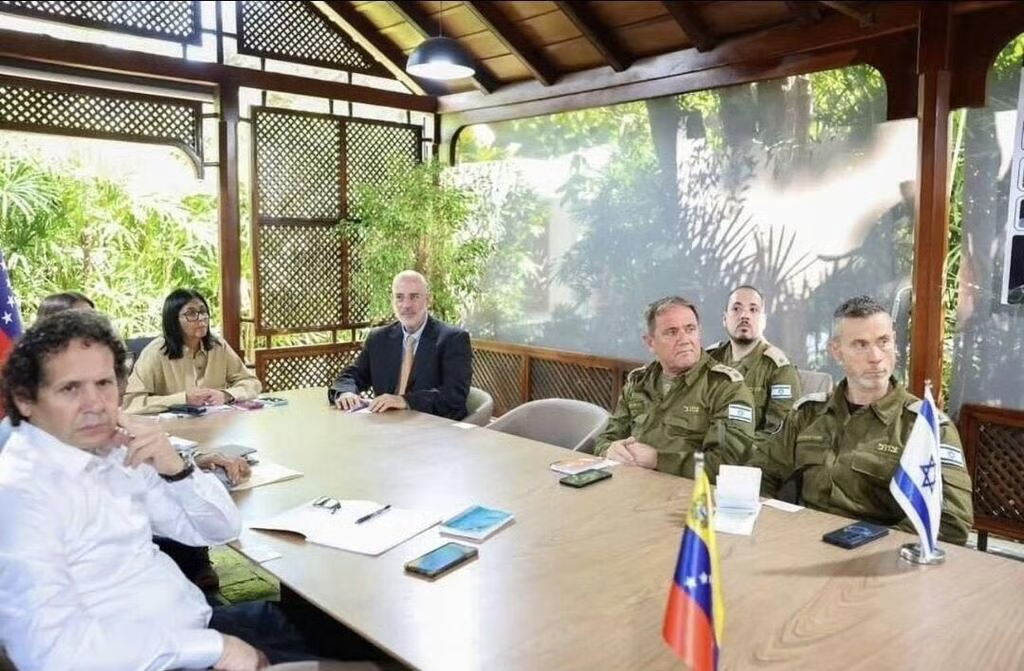
The Israeli rescue and aid delegation sent following the disaster was warmly received by the government of President Delcy Rodríguez and generated significant goodwill at a time when Venezuela was in acute need of outside assistance. From there, the relationship began to move beyond emergency relief.
Israel’s Foreign Ministry announced Tuesday that the two countries had agreed to renew consular relations, establishing a coordination mechanism that will allow citizens of both states to receive consular services. They also agreed to continue bilateral technical cooperation linked to emergency relief and reconstruction following the earthquakes.
“Following the visit of the Israeli humanitarian delegation to Venezuela after the double earthquake, and following talks held between senior officials on both sides, the two countries agreed to allow the continuation of bilateral technical cooperation arising from the emergency and reconstruction efforts,” the joint statement said.
But the more significant development may be taking place beyond the diplomatic language. In recent weeks, Energy and Infrastructure Minister and security cabinet member Eli Cohen has held talks with his counterparts in the Venezuelan government on possible cooperation in energy, trade, innovation and technology. The sides have also agreed that an Israeli professional delegation will travel to Venezuela.
That is where the strategic logic of the rapprochement becomes clearer. Venezuela possesses the world’s largest proven oil reserves, estimated at roughly 303 billion barrels, but actual production remains far below its potential. Aging infrastructure, years of underinvestment and the need for outside expertise have constrained the country’s ability to fully exploit those resources.
For Venezuela’s leadership, rebuilding that capacity could become a central part of its economic recovery. For Israel, meanwhile, the reopening of relations could create access to a major energy player while also opening opportunities for Israeli companies in technology, infrastructure and innovation. Venezuela has enormous natural resources and a pressing need for investment and technical knowledge, while Israel brings expertise in technology, energy infrastructure and innovation.
The timing is also significant. Caracas is emerging from a period of political instability and widespread destruction caused by the earthquakes, while reassessing its international relationships. Under those circumstances, foreign-policy positions that once appeared fixed can become more flexible when economic and strategic priorities change.
Israel’s humanitarian assistance provided a relatively easy first step. Rather than announcing an abrupt geopolitical reversal, Venezuela could deepen engagement with Israel through emergency relief and reconstruction. The aid mission created direct working relationships between officials on both sides and gave the Venezuelan government a practical reason to reopen channels that had been closed for years. Those contacts are now developing into discussions about sectors with much greater long-term significance.
The relationship had been frozen since 2009, when Caracas cut diplomatic ties in protest over Operation Cast Lead. Venezuela’s Foreign Ministry said at the time that Chávez had made the decision because “Israel persecutes the Palestinian people in an inhumane manner.” The rupture was consistent with Chávez’s broader ideological posture and remained in place during the Maduro era.
The current move therefore represents more than a routine resumption of administrative cooperation. It suggests that Venezuela’s leadership is willing to reconsider one of the foreign-policy positions that defined the country for much of the past two decades. It is still far from a full restoration of diplomatic relations, however: the agreement covers consular services and continued technical cooperation, and no decision has yet been announced on reopening embassies or restoring full diplomatic representation.
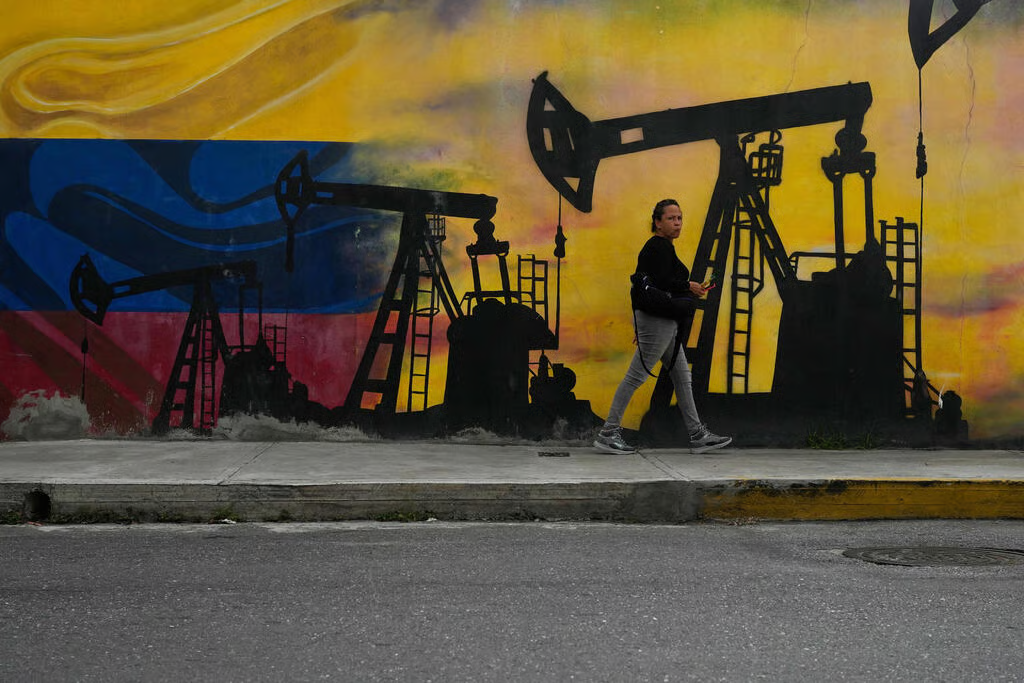
The potential energy dimension makes the shift particularly important for Israel. Venezuela’s oil reserves give it an outsized position in global energy markets, even though current production remains well below historic levels and far beneath what its reserves could theoretically support. Closer ties could potentially help Israel diversify its energy relationships and strengthen long-term energy security, while giving Venezuela access to Israeli technology and expertise as it seeks to rebuild damaged or outdated infrastructure.
For now, those opportunities remain prospective rather than concrete. But the fact that energy has already become part of official discussions indicates that both governments are looking beyond symbolism.
Cohen framed the emerging relationship in precisely those terms. “Israel’s aid mission to Venezuela expresses Israeli solidarity and our commitment to stand alongside the Venezuelan people in their difficult hour,” he said. “Now we have a great opportunity to create cooperation that will contribute to the growth and prosperity of both countries, by combining Israel’s knowledge and technology with Venezuela’s energy resources.”
Humanitarian assistance may have reopened the door, but energy, reconstruction and economic interests could determine how far Israel and Venezuela ultimately walk through it.
As reported by Ynetnews