
The English translation of his memoir will be published this coming October 7, on the two-year anniversary of his kidnapping.
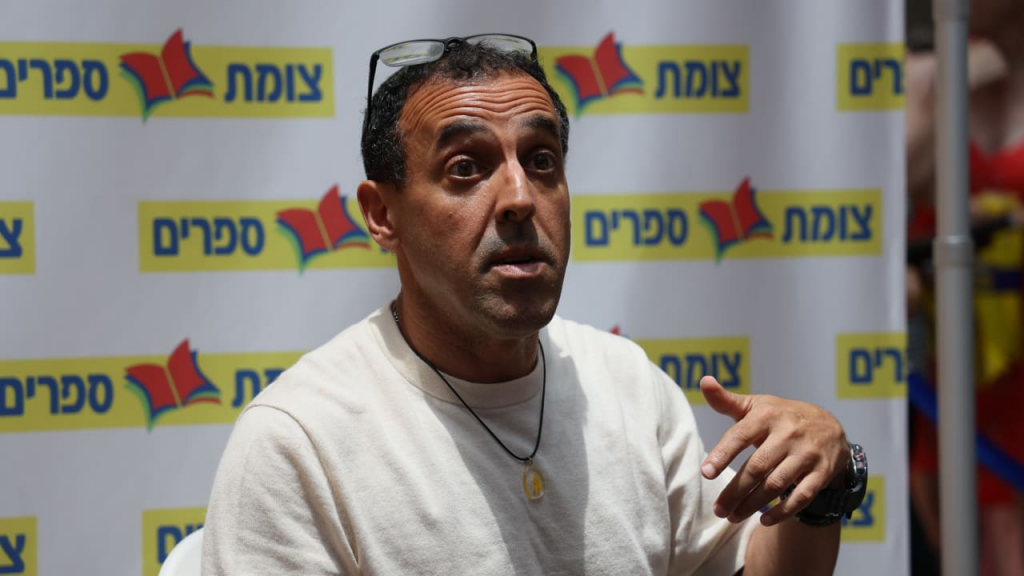
(photo credit: Jonathan Shaul/Flash90)
Former Gaza hostage Eli Sharabi spoke about his memoir, Hostage, in a piece in Time magazine on Wednesday.
The memoir, published in Hebrew in May, will have its English translation published this coming October 7, on the second anniversary of his kidnapping.
Sharabi was held in Gaza for 491 days after being kidnapped by Hamas terrorists during the October 7 massacre.
The memoir details Sharabi’s captivity in intense detail, describing the horrible conditions and treatments he endured.
Time released some translated passages from the memoir, sharing a brief peek into the harrowing account.
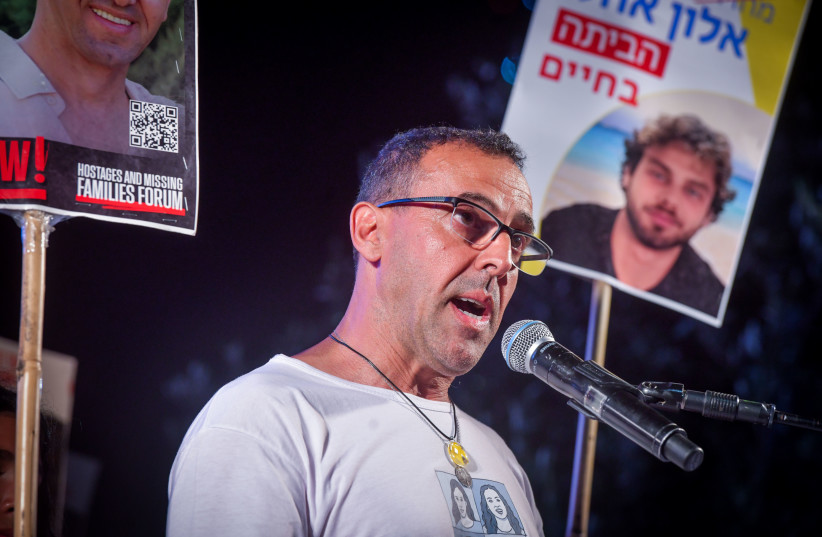
Contents of Sharabi’s memoir
The first released passage documented Sharabi’s first moments in captivity, as he was kidnapped from his home on Kibbutz Be’eri by terrorists and smuggled into Gaza. Sharabi described the chaos of the Gaza Strip and how a mob of civilians attacked him, attempting to lynch him, before Hamas terrorists pulled him inside a mosque.
In another excerpt, Sharabi described being led deep down into Hamas’s extensive terror tunnel network after over a month of captivity. He recounted how thoroughly constructed the tunnels were, complete with flooring, tiled walls, and a kitchen.
Down in the tunnels, Sharabi soon met and was held with other hostages kidnapped by Hamas, including Almog Meir Jan, Hersh Goldberg-Polin, and Ori Danino.
Regarding his treatment at the hands of Hamas terrorists, Sharabi described the starvation faced by the hostages. A single stale pita with a can of cream cheese for the four men, or tiny rations of rice, were the daily sustenance provided to the hostages while their captors ate hot food and occasional sweets. The lack of food was accompanied by extremely unsanitary conditions.
In other excerpts, Sharabi recounted the impact of his Jewish faith on his captivity. He said that repeating the prayer, Shema Yisrael, quietly to himself was “like a mantra to keep me grounded.” Even during captivity, the four men would do Friday night Kiddush together, using a cup of water and bits of stale pita they saved throughout the week.
Sharabi was released from captivity on February 8 as part of a hostage deal, an event he also covered in the book. He described the forced theatrical nature of his release “ceremony” and how his terrorist captors coached him on what he was to say and do during the televised spectacle.
As reported by The Jerusalem Post