
As police search for the missing cellphone of former military advocate general Yifat Tomer‑Yerushalmi, past cases show how lost or destroyed devices, from top police officers to political aides, have derailed probes, fueled suspicion and altered careers
The mobile phone, once just a personal communications tool, has in recent years become a key piece of evidence in criminal and public investigations. In nearly every sensitive case, a single small device can determine destinies, unveil illicit relationships or erase secrets suspects would prefer to keep hidden.
That dynamic is now at play in the case of former military advocate general Maj. Gen. (res.) Yifat Tomer‑Yerushalmi, whose smartphone has been missing for days and is believed to have been discarded at sea.

(Photo: Shalev Shalom)
Police and search teams say efforts to locate the device have so far been unsuccessful. Investigators note that the data the phone may hold could shed light on the circumstances of Tomer‑Yerushalmi’s disappearance on Sunday and the connections behind the scandal rocking the defense establishment, the leak of footage from the Sde Teiman detention center allegedly depicting soldiers abusing a Palestinian prisoner. At her extended‑detention hearing held via video link on Wednesday, it was revealed that a court‑approved search of her home led to the seizure of an Apple Watch, for which she provided the passcode to police.
Tracing a missing phone from an investigation scene is not unprecedented. In 2015, officials sought the device of Israel Police Assistant Commissioner Ephraim Bracha, head of the fraud investigations unit, to probe complaints filed against him in various cases, only to learn it was not found at the scene of his suicide. Its disappearance remains unresolved.

(Photo: Gil Yochanan)
Another case involved Shlomit Folk, wife of Hadera Police Commander Amichai Folk. During a May hearing on State Prosecutor’s Office requests to extend her detention for alleged evidence tampering, she admitted she “threw her husband’s phone” into the sea after the device was returned following a court ruling.
In other cases, phones haven’t just vanished—they’ve been systemically ignored. Prosecutors admitted in the 2017 trial over the 2006 murder of 13-year-old Tair Rada that they could not locate the victim’s phone, previously in state custody, undermining the case’s evidentiary framework.

(Photo: Israel Police)
Similarly, in the probe into former Police Commander Avi Cohen’s alleged affair with a subordinate, police internal memos said his phone “fell and broke” just a day after the scandal broke in November.
Mobile devices have repeatedly become central in other investigations. In one high‑profile case involving Prime Minister’s Office executive Hani Blivis, the National Fraud Unit told her daughter in January it would return seven of eight seized phones—yet one remained under tight review, believed to hold the most sensitive data.
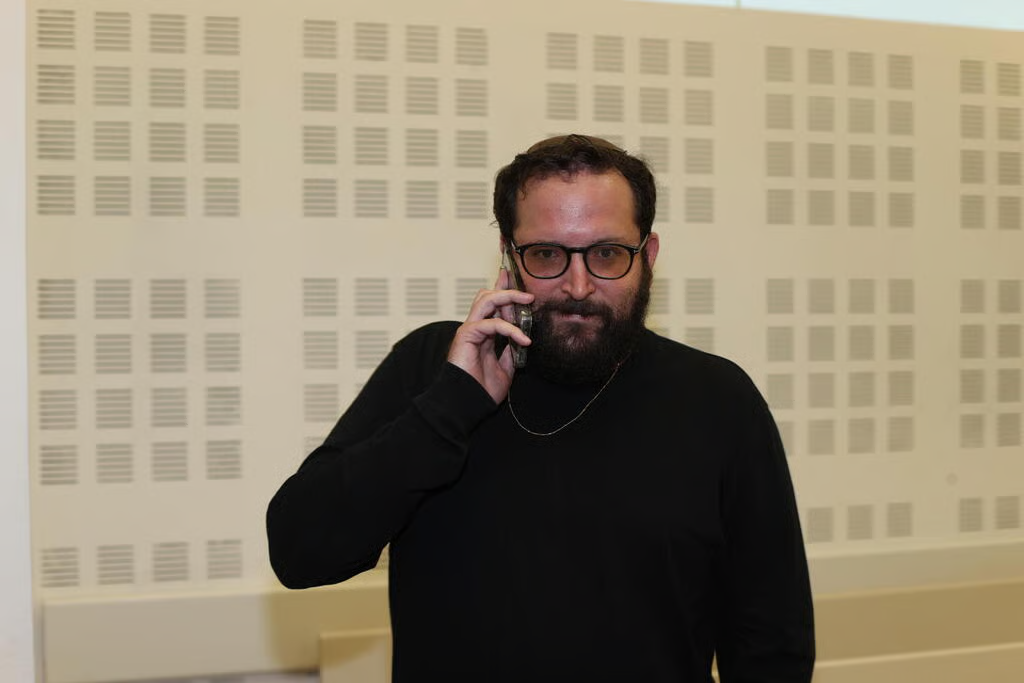
(Photo: Yariv Katz)
In the so-called “Qatargate” and “Secret Documents” investigations, adviser to the premier Jonathan Urich’s two phones and computer were seized—but remain encrypted and unopened due to technical obstacles. The devices themselves have become legal flashpoints, illustrating how a mobile phone in the digital age is not just a personal object, but a forensic mine capable of upending an investigation or a career.
In 2018, the “Bezeq‑Walla” case exposed a deliberate destruction of phones: then‑Netanyahu family communications adviser Nir Hefetz ordered communications magnate Shaul Elovitch and his wife Iris to “delete the text messages” and “destroy the phone” when the inquiry opened. Though Hefetz destroyed his own device, he later revealed he had saved backups of recordings and communications pointing to media‑manipulation efforts. “It was obstruction on the level of the greatest criminals,” said investigation insiders at the time
As reported by Ynetnews