
The IDF has said that 21 soldiers took their own lives in 2024 – most of them in reserves – while 2023 saw 17 suicides. These are the highest figures since 2011.

(photo credit: DALL-E, AI)
The burgeoning mental health crisis in Israel has marked a heartbreaking new milestone when, over the last two weeks, four IDF soldiers took their own lives. Since the October 7 massacre attack, suicides were clocked among soldiers from all walks of life and across various units. Many others are still quietly grappling with heavy trauma.
But, these tragedies aren’t random or disconnected – they are part of a deeper crisis that will not disappear when the ceasefire eventually kicks in and the last bullet is fired.
For soldiers who have returned from yet another round of reserves – while the coalition continues to do everything it can to pass a law to exempt eligible ultra-Orthodox (haredi) men from service – the war hasn’t ended, it simply changed form.
October 7 and the Israel-Hamas War that followed and continues to rage didn’t just threaten national security – they left deep emotional wounds in those who rushed to defend the country during its darkest hours and continue to do so.
As the war drags on amid reports of a nearing ceasefire, Israeli leadership, governance, and society will have to come to terms with this very heavy price.
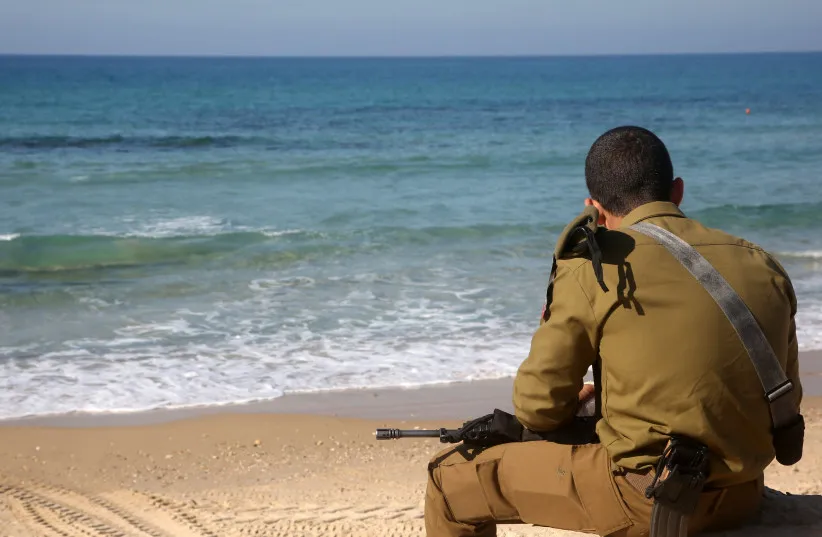
Some argue – logically – that given Israel’s security situation, it cannot afford to not have a standing army, to have a culture of alertness and an eye for incoming dangers.
That doesn’t mean that it doesn’t come with a price, and that weight, which is several generations old at this point and has only been exacerbated by the war, is staring us in the face, begging for attention.
Over 30 soldiers took their own lives since October 7 massacre
The IDF has said that 21 soldiers took their own lives in 2024 – most of them in reserves – while 2023 saw 17 suicides. These are the highest figures since 2011.
About two months ago, Prof. Yossi Levi-Belz, who chairs the Lior Tsfaty Center for Suicide & Mental Pain Studies at the Ruppin Academic Center, told Ynet, “Extreme situations – like October 7 – tend to lower suicide rates due to the heightened clarity of purpose and sense of togetherness. But, once the public resumes regular life, many people, like reservist soldiers, who are in a much higher state of vulnerability, continue to deal with PTSD, making this time period even more precarious… The sense of togetherness begins to splinter, leaving many in a horrid state of painful loneliness.”
There are elements of civil society that really do understand this, that are proactive and making strides in their own lanes. But they are not larger than the system, and if these past two weeks showed us anything with their warning cry, it is that everyone has a breaking point – why are we living so close to the edge of ours?
Where is the budget? Where are the wholesale resources dedicated to this? How can leadership expect people to give their all, to be willing to give their all, without the proper support?
Before it reaches the dark space of suicide, many soldiers and survivors are living daily with PTSD and unhealed wounds. They are walking among us, protecting our borders and sitting in our coffee shops.
The lack of mental healthcare workers is not a new problem in Israel, nor is the issue of their embarrassing salaries, the long wait lines, or the obscene costs if one chooses to pursue private care. A change in a budgetary approach is not only necessary but essential: Where is tax money going, other than security and infrastructure, that is more important than this?
Because at the end of the day, if a soldier is crashing out over five rounds now of reserve duty, haunted by what they saw in Gaza, or if a civilian is too traumatized to manage their daily life from their experiences in this war, the amazing hits Israel landed against its enemies, near and far, pale in comparison. If the pristine human quality we take such pride in begins to fade to generational traumas and wars, what and who are those impressive hits really protecting?
There will come a day when the war will end, and while Israel will always be on alert in a neighborhood where people exist who want it gone, it will have to, at some point, turn inward, assess the damages on our well-being, our human quality, and our resilience.
A shift in approach is needed today, before the wave hits us and we can’t bounce back.
As reported by The Jerusalem Post