
Under 2015 nuclear deal, ‘snapback’ mechanism that would reinstate pre-agreement sanctions set to expire in October; Jerusalem pressing Britain, Germany and France to activate it now, saying ‘all previous excuses no longer apply’
Israel is urging the European E3 powers — Britain, France and Germany — to activate the “snapback” mechanism that would reinstate sanctions on Iran that were lifted as part of the 2015 nuclear agreement.
Under the terms of the deal, the snapback provision is set to expire on Oct. 18, 2025. The United States and European powers are now considering reactivating it amid growing concerns over Iran’s nuclear and missile programs.
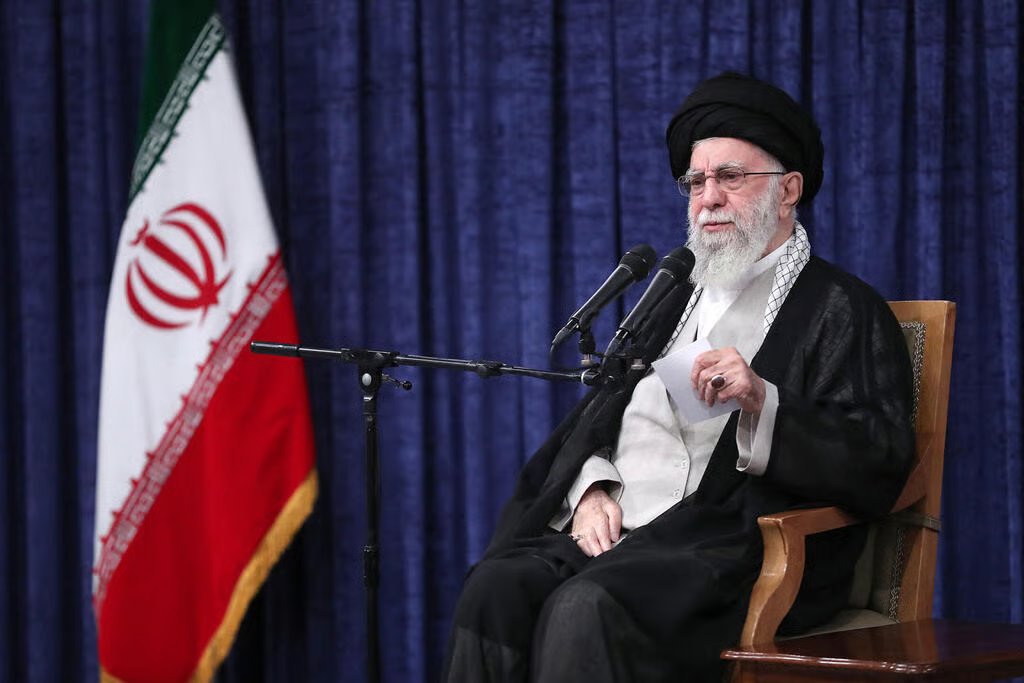
(Photo: AFP PHOTO / HO / KHAMENEI.IR)
The issue was raised during meetings this week in Brussels between Foreign Minister Gideon Sa’ar and his German and French counterparts on the sidelines of the European Union foreign ministers’ summit. It has also been a topic in recent discussions between Prime Minister Benjamin Netanyahu and other world powers.
A senior Israeli official said there are no longer any valid reasons to delay reimposing sanctions. “All the previous excuses not to trigger the snapback no longer apply,” the official said. “They used to argue that Iran would escalate uranium enrichment from 60% to 90% if we acted — but that’s no longer relevant.”

(Photo: NICOLAS TUCAT / AFP)
The official added that concerns Iran might break out toward a nuclear weapon are also currently seen as less pressing. “Even the U.S. now supports using the snapback mechanism. The Europeans want to explore this option as well,” the official said. “Talks could begin in the coming weeks. The Europeans have signaled a decision by the end of August, but Israel believes it should happen sooner. Both Israel and the U.S. support the move.”
The official also noted that following Operation Rising Lion, Iran’s missile program has become a central issue for both the U.S. and Europe. “They want to address Iran’s missile capabilities in the context of a potential new agreement,” the official said. “Until now, Iran has categorically refused to discuss the issue.”
As reported by Ynetnews